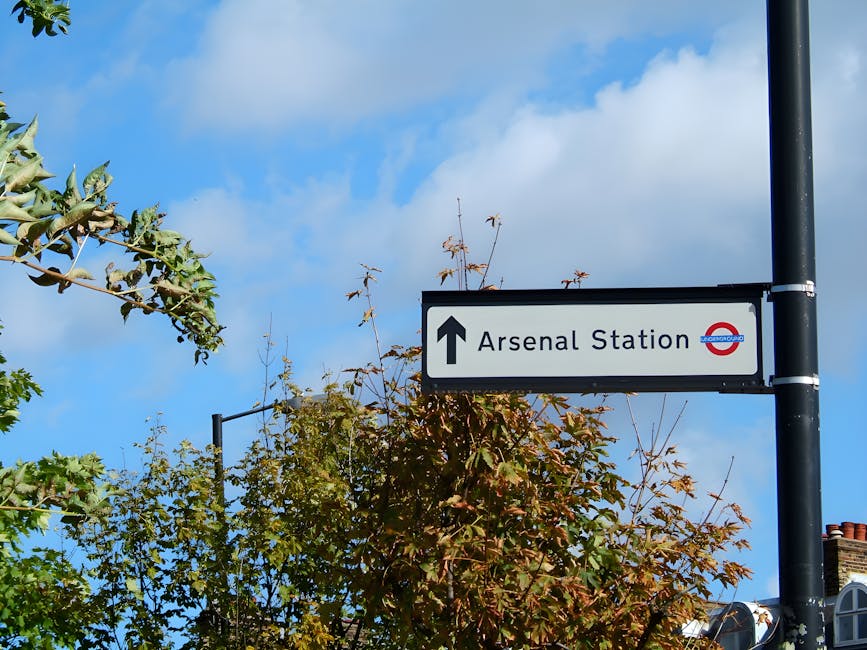
Angel station Islington furniture removals tips for tight access
If you are moving furniture near Angel station, you already know the game changes the moment the stairwell narrows, the lift is tiny, or the van has nowhere obvious to stop. In Islington, tight access is not a niche problem; it is part of everyday moving life. These Angel station Islington furniture removals tips for tight access are here to help you avoid scratched walls, bent bed frames, late arrivals, and that awful moment when a sofa simply will not turn the corner.
Truth be told, the difference between a smooth move and a stressful one is usually not brute strength. It is planning, measuring, timing, and choosing the right approach for the building. This guide walks you through what tight access really means, how to deal with it properly, and when it makes sense to bring in experienced help such as furniture removals in Islington or a flexible man with van in Islington. You will also find a checklist, a comparison table, and practical advice that works in real N1 streets, not just in theory.
Table of Contents
- Why tight-access removals matter near Angel station
- How tight-access furniture removals work
- Key benefits and practical advantages
- Who this is for and when it makes sense
- Step-by-step guidance
- Expert tips for better results
- Common mistakes to avoid
- Tools, resources and recommendations
- Law, compliance, standards and best practice
- Options, methods, and comparison table
- Case study or real-world example
- Practical checklist
- Conclusion
- Frequently asked questions
Why Angel station Islington furniture removals tips for tight access Matters
Angel and the surrounding Islington streets have a lot going for them: character buildings, compact flats, converted terraces, mansion blocks, and plenty of homes that were never designed with modern furniture in mind. Nice to live in, awkward to move through. That is the honest version.
Tight access matters because every extra obstacle increases the risk of delay and damage. A sofa that fits on paper can still fail at the hallway bend. A wardrobe can clear a doorway but get stuck on the stair pitch. A dining table can be manageable in a warehouse yard and suddenly feel huge in a top-floor flat with two awkward turns and a small landing.
Near Angel station, the challenge is often a mix of narrow internal access, busy streets, limited stopping space, and buildings with shared entrances. If you are not ready for that combination, even a small furniture move can snowball. And nobody wants to spend a Saturday morning moving the same chest of drawers three times because the first route was guessed rather than checked.
There is also the neighbour factor. Tight access moves tend to create more noise, more foot traffic, and more pressure on communal spaces. A careful plan keeps the move respectful as well as efficient, which matters in close-knit Islington blocks where everyone can hear the van door slam at 8:15am. Not ideal.
How Angel station Islington furniture removals tips for tight access Works
At a practical level, a tight-access furniture removal works by reducing uncertainty before moving day. You identify the obstacles, measure the large items, decide what can be disassembled, and choose the right loading method for the property. It sounds simple, but the order matters.
Start by looking at the route from inside the property to the van. Not just the front door. Check the staircase width, landing size, handrails, ceiling height, door swings, and any sharp corners. In some buildings, the real problem is not the main staircase but the final turn into the hallway. That is where a lot of moves go sideways.
Then consider the outside access. Is there a loading bay, or will you need to use short-stay parking nearby? Can the van stop close enough to keep the carry distance manageable? Near Angel, that part can decide whether the move feels easy or exhausting. A short walk with a single mattress is nothing; repeated trips with heavy shelving units quickly become the opposite of fun.
If you are using professional help, a good team will often pre-plan the move around the building layout. They may bring a smaller vehicle, more protective wrapping, extra tools, or a second pair of hands if the access is especially tight. If the move is particularly tricky, a service like removal services or removal van hire in Islington can be a better fit than trying to improvise on the day.
Key Benefits and Practical Advantages
Good planning for tight access is not just about avoiding disaster. It creates real advantages that you feel immediately on moving day.
- Less damage risk: furniture, walls, bannisters, floors, and door frames all stay safer when the route is thought through in advance.
- Faster loading: a clear route means fewer pauses, fewer awkward reversals, and fewer "can we just try it this way?" moments.
- Lower stress: if everyone knows the plan, the move feels controlled rather than chaotic.
- Better use of labour: movers spend energy on lifting, not on problem-solving every five minutes.
- More predictable costs: fewer delays and fewer emergency fixes usually mean a cleaner moving day budget.
There is a smaller benefit too, one that people sometimes overlook: the move looks organised. That matters if you live in a managed block, if neighbours are watching, or if the property has strict common-area etiquette. A tidy move can save a surprising amount of friction.
For landlords, sellers, and tenants alike, tight-access awareness can also reduce property damage issues at handover. If you are preparing a property for sale, you may also find these Islington property sales tips useful, because presentation and access management often go hand in hand.
Who This Is For and When It Makes Sense
This topic is most relevant if you live or move around Angel, Islington, or nearby N1 streets where homes are compact and access can be fiddly. But it is not only for people in very old buildings. Even newer flats can have awkward loading arrangements, small lifts, and tight turning spaces.
You will probably benefit from this approach if you are:
- moving furniture into or out of a flat with narrow stairs;
- handling a one-bedroom or studio move with a few bulky items;
- trying to move a sofa, wardrobe, bed base, or desk without damage;
- working to a time slot because of building rules or parking limits;
- dealing with student accommodation, split-level flats, or maisonettes;
- coordinating a same-day or short-notice move.
If your home is on an upper floor, or if the access route includes a twisting staircase and a front door that barely opens fully, then this guide is for you. If not, well, lucky you. But keep reading anyway; the same principles help with any furniture move where space is not generous.
Families moving from houses may face a different set of problems, while office moves bring their own loading and scheduling pressures. For broader help, see house removals in Islington, office removals in Islington, and student removals in Islington.
Step-by-Step Guidance
Here is the simplest way to handle a furniture move with tight access near Angel station. Keep it calm. Keep it measured. One step at a time.
- Measure the furniture first. Record height, width, and depth for each awkward item. Do not forget protruding legs, handles, or headboards.
- Measure the route. Check doors, hallways, stairs, landings, and the final exit. A tape measure is better than optimism.
- Identify what can be dismantled. Bed frames, dining tables, and some wardrobes move far more safely in parts.
- Protect the property. Use covers, blankets, corner protection, and floor shielding where needed.
- Clear the route completely. Remove shoes, mats, lamps, plant pots, and anything else that turns into an ankle hazard.
- Decide the van position early. The closer and safer the parking, the smoother the carry. Simple, but crucial.
- Pack tools and fixings together. Put screws, brackets, and Allen keys into labelled bags so reassembly does not become a treasure hunt.
- Load in the right order. Put the bulkiest pieces on first and use softer items to pad gaps.
If you are doing the move yourself, keep one person at the front of the item and one at the rear. That sounds obvious, yet people still try to "muscle" a sofa through a doorway alone. It rarely ends well. If there is any doubt, stop and reassess before you scrape the wall or twist something heavy.
For people wanting a more hands-off option, a local team offering man and van in Islington or man and a van in Islington can be a practical middle ground between DIY and a full-scale removals crew.
Expert Tips for Better Results
The small things matter most in tight-access moves. The big items get all the attention, but it is usually the little details that save the day.
Use ratchet straps and furniture blankets properly. A secure item is easier to carry and less likely to sway on stairs. Loose wrapping looks tidy for about ten seconds, then it slips. It happens.
Remove cushions, shelves, and drawers in advance. A wardrobe is lighter and safer when it is not carrying half the contents of your life. That also makes it easier to turn.
Take photos of complex furniture before dismantling. You will thank yourself later when a bed frame looks like a puzzle at 6:40pm.
Think about the weather. Wet paving, muddy steps, and slippery entries make a tight route even trickier. In London, a dry morning can become a drizzle by lunchtime, so keep covers close and don't assume the pavement will stay kind.
Leave a buffer in the schedule. If access is tight, everything takes slightly longer than expected. That is just how it is. Plan for the extra few minutes rather than pretending they do not exist.
Speak to the building manager if needed. For blocks with shared entrances or lift booking systems, a quick heads-up can prevent last-minute irritation. Quiet coordination is underrated.
If you are still weighing up whether to book help, the wider removal companies in Islington page is a useful place to compare approaches before deciding what suits your access situation.
Common Mistakes to Avoid
Most access problems are avoidable. The same errors crop up again and again, usually because the move is underestimated by ten percent, then fifteen, then suddenly a lot more.
- Not measuring properly. Guessing is the fastest way to discover a sofa is six centimetres too wide for the stair turn.
- Forgetting the exterior route. People plan the stairs but forget the parking and loading distance.
- Leaving bulky items assembled. If it can be dismantled safely, dismantle it. Do not be stubborn for no reason.
- Ignoring wall and floor protection. One scuffed hallway can create unnecessary stress with a landlord or neighbour.
- Underestimating manpower. Heavy or awkward furniture needs enough hands. Simple maths, really.
- Blocking the exit. This slows everything and creates trip hazards. Keep the route open.
- Starting without a backup plan. If the item will not turn, you need a second option ready before the attempt.
There is also the classic mistake of assuming that every moving problem can be solved by "just angling it a bit more." Sometimes yes. Often no. Sometimes the answer is to stop, breathe, and take the door off its hinges if appropriate. Or call in help. No shame in that.
Tools, Resources and Recommendations
You do not need a truckload of specialist kit, but the right tools make a big difference. For most tight-access furniture moves, the following items are worth having to hand:
- measuring tape;
- furniture blankets or thick protective covers;
- strong tape or stretch wrap;
- ratchet straps;
- basic tools for dismantling furniture;
- labels or marker pens for screws and fittings;
- gloves with a decent grip;
- doorframe and corner protectors if the route is especially tight;
- trolleys or dollies for heavier pieces where the route allows it.
On the planning side, it helps to read local guidance that gives you a feel for property layouts and moving conditions in the area. If you are new to the neighbourhood, Islington living advice from a local and the Upper Street flats removals guide can give you a better sense of what to expect.
For people in a hurry, same-day help can be a lifesaver, but it still needs smart handling. The article on same-day removals in Islington N1 is especially useful if your timing is tight and access is awkward. Same-day is convenient, yes, but a rushed move still benefits from a measured plan.
Law, Compliance, Standards and Best Practice
This type of move does not usually involve complex legal requirements for the customer, but there are still sensible standards to follow. In the UK, the safest approach is to treat moving day as a manual-handling task with real risk if items are heavy, awkward, or poorly planned.
That means using proper lifting technique, not overloading one person, and stopping when a route becomes unsafe. If a stairwell is too narrow or a lift is not suitable, forcing the item through is not best practice. It is a fast route to damage, and possibly injury.
It is also wise to respect building rules, managed-property instructions, and any parking or loading arrangements. These can vary from block to block, and some are stricter than others. If in doubt, ask before the move rather than guessing on the day. That small bit of courtesy usually saves time.
Good removal providers will also have public liability cover, clear terms, and sensible safety processes. If you want to understand how a company approaches this side of the job, take a look at insurance and safety and the health and safety policy. For company background, about us is worth a look too.
Options, Methods, or Comparison Table
There is no single right way to move furniture with tight access near Angel station. The best option depends on size, distance, urgency, and how awkward the route is. Here is a practical comparison.
| Method | Best for | Strengths | Limitations |
|---|---|---|---|
| DIY move | Small loads, simple furniture, short distances | Low upfront cost, flexible timing | Higher strain, more risk if access is tricky |
| Man and van | Medium-sized moves, one-off items, mixed access | Good balance of cost and help, often quick | May still need your own packing and route prep |
| Specialist furniture removals | Bulky, fragile, or expensive items; tighter staircases | More careful handling, better protection, more planning | Usually the more premium option |
| Same-day removals | Urgent moves with limited notice | Fast response, useful in a pinch | Less time for complex planning, so access details matter even more |
For most Angel-area flats, the middle ground is often the smartest. A good Islington removals service or a well-equipped van team can handle the practical side without making the process feel overblown. If you are moving a special item such as a piano, that is a different game entirely and deserves dedicated handling.
Case Study or Real-World Example
A typical tight-access job near Angel might look like this: a one-bedroom flat on the third floor, no lift, a narrow stairwell, and a sofa-bed that has already caused trouble in the previous flat. The resident thinks it will be fine because "it got in somehow." That phrase has a way of causing trouble, doesn't it?
In practice, the move is easier when the sofa is measured in advance, the removable feet are taken off, and the route is protected before the furniture leaves the room. A good mover would check the landing angle, test the turn carefully, and decide whether the item needs to be tilted, rotated, or carried in stages. If the parking is a bit of a walk, they may also choose a smaller vehicle or a different loading point to reduce the carry distance.
What made the biggest difference in this sort of move was not speed. It was sequence. Measure, clear, protect, dismantle, then move. No heroics. No rushing. Just a tidy process that respected the building and kept the sofa intact. By the time everything reached the van, the whole job felt much lighter than expected.
That is the real lesson: tight access rewards preparation more than muscle.
Practical Checklist
Use this checklist the day before the move, or even earlier if possible.
- Measure every bulky item carefully.
- Measure doors, hallways, stairs, and landings.
- Confirm whether anything must be dismantled.
- Prepare blankets, wrap, tape, and tools.
- Clear the access route inside the property.
- Check van parking or loading arrangements.
- Book a slot for lifts or communal access if needed.
- Protect floors, walls, and corners.
- Label screws and fittings for each item.
- Tell movers about any especially awkward item in advance.
- Keep pets and children away from the route.
- Leave enough time for careful loading and unloading.
Practical summary: if the route is tight, the win comes from planning the route before lifting the first item. That one habit solves more problems than most people realise.
If you want help choosing the right moving approach, reviewing access issues, or booking a team that understands local N1 conditions, start with the services overview and then reach out through the contact page when you are ready.
Conclusion
Moving furniture near Angel station is rarely difficult because of distance. It is difficult because of access. Narrow staircases, small lifts, awkward corners, and limited parking can turn a simple job into a draining one if you do not plan ahead.
The good news is that tight-access moves are very manageable when you measure properly, dismantle what you can, protect the building, and choose the right moving method for the job. Whether you are shifting a single piece or a full flat's worth of furniture, the same principles apply: slow down, think clearly, and keep the route under control.
And if the move starts to feel more complicated than expected, that is usually the moment to bring in experienced local help rather than pushing on and hoping for the best. A bit of preparation goes a long way. A calm move, even in a busy part of Islington, is absolutely possible.
Get a free quote today and see how much you can save.
Sometimes the smoothest move is simply the one that was planned with a little care and a lot of common sense.
Frequently Asked Questions
What counts as tight access for furniture removals near Angel station?
Tight access usually means narrow stairs, small lifts, sharp hallway turns, limited parking, or a route that makes bulky items hard to carry safely. In Islington, that can also include shared entrances and compact flats.
How do I know if my sofa will fit through the stairs?
Measure the sofa at its widest points, then measure the stair width, landing space, and turning angles. If the item needs to rotate around a corner, the turning space matters as much as the width. That is where most people get caught out.
Should I dismantle furniture before a move?
Usually yes, if the item is designed to come apart safely. Bed frames, tables, and modular wardrobes often move much better in sections. Just keep all fixings together and label them clearly.
Is a man and van enough for a tight-access move?
Often it is, especially for smaller loads or a few awkward items. If the furniture is heavy, fragile, or hard to manoeuvre, a more specialised furniture removals service may be the safer choice.
How can I protect my walls and floors during the move?
Use blankets, corner protection, floor coverings, and careful lifting. Clear the route first so people are not squeezing past bags, shoes, or lamps. A lot of damage happens when the space is cluttered, not when the item is actually moving.
What if the building has no lift?
Then planning becomes even more important. Measure the staircase carefully, make sure the item can turn on the landings, and consider whether the furniture should be dismantled. A no-lift move is still manageable, but it needs a slower, safer approach.
Can I get same-day help for furniture removals in Islington?
Yes, sometimes. It depends on availability, the size of the job, and how complex the access is. If your move is urgent, it helps to explain the access details clearly from the start so the team can judge whether same-day support is realistic.
What information should I give a removals company before booking?
Share the item sizes, floor number, lift access, stair widths if known, parking details, and whether anything needs dismantling. The more accurate the information, the more likely the quote and plan will match the real job.
Are there extra costs for difficult access?
Sometimes, yes. Extra time, additional labour, long carry distances, or special equipment can affect the price. It is better to be upfront about access than to discover the issue halfway through the move.
What is the safest way to move heavy furniture down narrow stairs?
Use enough people, keep the item balanced, move slowly, and avoid twisting under load. If it feels unstable or too heavy for the route, stop and reassess. Forcing it is the mistake people regret later.
Do I need to book parking or loading space near Angel?
It is often worth checking in advance, especially in busier parts of Islington where stopping space is limited. Even a short carry can become tiring if the van has to park too far away.
Where can I find more help for moving in Islington?
You can explore related local guidance such as flat removals in Islington, packing and boxes support, and storage in Islington if you need more room between moves.