Commercial Moves in Islington
If you are planning commercial moves in Islington, you will already know that relocating a business is about much more than transporting boxes from one place to another. It is about protecting equipment, keeping staff informed, reducing downtime, managing access in a busy London borough, and making sure your new workspace is ready to function from day one. Whether you are moving a small office, a retail unit, a café, a clinic, a studio, or a larger mixed-use premises, the right local moving team can make the whole process calmer, safer, and far more efficient.
Islington is a busy and varied part of north London, with everything from modern office spaces around Angel and Old Street edges to period conversions, upper-floor offices, shared workspaces, shops, hospitality venues, and professional practices. That mix of property types often means different access arrangements, loading restrictions, narrow streets, stair-only buildings, and time-sensitive move windows. A business relocation here needs careful planning, local knowledge, and a flexible approach that fits the realities of the area.
In this article, you will find practical information designed for real local customers who want a smooth, well-organised move. It explains what a commercial removals service can include, how the process works, what to prepare, what influences the cost, why local experience matters, and how businesses across Islington and nearby areas can plan with confidence. If you are comparing providers, trying to reduce disruption, or preparing for a lease end date, this page will help you understand what to expect and how to book with confidence.
Why commercial removals in Islington need careful planning

Commercial relocations are different from domestic moves because business continuity matters just as much as physical transport. A shop can lose trading time, an office can lose productivity, and a practice can affect client appointments if the move is not managed properly. In Islington, those pressures are often increased by compact roads, busy daytime traffic, loading bay limitations, controlled parking zones, and buildings that were never designed with easy removal access in mind.
For many local businesses, the challenge is not only moving the items themselves but also coordinating the move around staff schedules, opening hours, building management rules, and the needs of customers or clients. A well-managed relocation helps you avoid unnecessary delays and gives you a better chance of settling in quickly at your new premises. That is why businesses seeking Commercial Moves in Islington often look for a team that understands local access and can adapt to the practical realities of the borough.
It also helps to think in phases rather than as one single moving day. Packing, labelling, dismantling, route planning, parking arrangements, and setup at the destination all matter. When each step is considered in advance, the move becomes more predictable and less stressful. The right service should support you before, during, and after the move, not just turn up on the day and hope for the best.
Types of businesses we can help move

Commercial removals cover a wide range of workplaces and trading environments. In Islington, this often includes office moves, retail relocations, hospitality premises, consulting rooms, creative studios, and light commercial units. Each type of move has different priorities, and the best approach is to tailor the service to the building, the equipment, and the schedule.
For example, an office move may require secure handling of monitors, servers, paperwork, desk furniture, and archive storage. A retail move might focus on shelving, stock, counters, display units, and fitting out the new unit in an orderly way. A café or restaurant relocation can involve specialist packing for kitchen equipment, front-of-house furniture, and fragile items that need extra care. A clinic or practice may need a very structured process so records, equipment, and appointment spaces are moved with minimal disruption.
Businesses near Upper Street, Angel, Highbury, Canonbury, Barnsbury, Finsbury Park edges, and the roads around Essex Road often deal with different premises conditions from one street to the next. That is why local experience matters: the move plan should reflect your building, your access point, and your operating hours rather than relying on a generic approach.
What a commercial move service usually includes
When you book professional business removals, you should expect a service that covers the main stages of relocation and helps reduce disruption. Exact arrangements will vary depending on your requirements, but a reliable commercial moving service often includes a combination of the following:
- Pre-move planning and move-day scheduling
- Packing of office or business contents where required
- Labelling support to help departments or teams settle in quickly
- Furniture dismantling and reassembly
- Careful handling of IT and office equipment
- Transport between the old and new premises
- Loading and unloading with appropriate lifting equipment
- Placement of items in the correct rooms or zones at the destination
- Optional support for archive, stock, or document relocation
A good local mover should also be prepared to discuss access issues in advance. That might include lift restrictions, stair-only access, limited kerbside stopping time, shared entrances, or the need to work around other tenants. Commercial Moves in Islington often benefit from a team that asks practical questions early, because the more detailed the plan, the smoother the moving day tends to be.
Some businesses prefer a full-service approach, while others only need help with transport and the heavier items. Either option can work well if it is properly organised. The key is choosing a service level that matches your deadlines, your budget, and the size of the move.
Office relocations, shop moves, and more
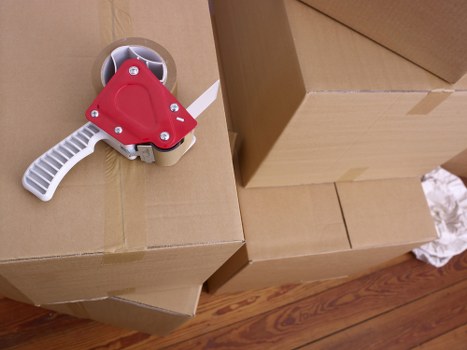
Office moves in Islington are often about balance: keeping essential operations running while shifting desks, storage, and technology to a new address. Many offices in the borough are in converted buildings, upper-floor spaces, or shared premises, which can create tight staircases, lift booking requirements, and limited loading space. A structured move helps minimise confusion and keeps items organised by department or floor.
Retail moves may need a different rhythm. If you are opening a new unit in a high-footfall area, timing matters because stock needs to arrive in a way that allows display, merchandising, and setup to happen quickly. For hospitality businesses, the process may need to fit around deliveries, equipment installation, and the safe movement of bulky items. If your business has specialist fixtures, the moving team should be aware of which items need extra protection and which items need to be disconnected or reassembled with care.
Creative and professional businesses in Islington often have mixed contents: books, files, computers, artwork, branded materials, and presentation equipment. These items can be packed and moved efficiently, but they need clear labelling and a methodical approach. The aim is always the same: get the business back to normal as quickly as possible, with as little interruption as possible.
Why local knowledge matters in Islington
Islington is a borough where local knowledge can save time and reduce stress. Roads can be busy throughout the day, parking can be tight, and some streets are better suited to certain vehicle sizes and loading patterns than others. Many business premises sit in rows of older buildings with narrow entrances, basement rooms, or upper floors, which means the move may need to be carefully staged.
Local movers familiar with the area are more likely to anticipate these issues before they become problems. They can plan the order of loading, suggest sensible arrival windows, and think about how to manage items that are awkward, fragile, or especially valuable. That practical familiarity matters whether you are near Angel, Highbury Corner, King’s Cross fringes, Holloway Road, Canonbury, De Beauvoir borders, or the roads around Clerkenwell and central Islington.
Businesses also appreciate local teams because communication tends to be easier and more responsive. If you need to adjust the move day, split the relocation into stages, or work around a building manager’s schedule, a nearby provider is often in a better position to adapt. That flexibility can make a real difference when deadlines are tight.
How the commercial moving process works

Every move is different, but most commercial relocations follow a similar path. The first step is usually a conversation about the size of the premises, the type of business, the items being moved, and the timetable. From there, a moving plan can be shaped around your priorities, including whether the move needs to happen outside trading hours, over a weekend, or in stages.
Once the details are clear, packing and preparation begin. This may involve boxing files, securing equipment, grouping furniture by department, and labelling everything so the destination setup is straightforward. On move day, the team loads items in an orderly way, transports them safely, and unloads them according to the agreed plan. If reassembly is included, desks, shelving, and other dismantled items can be put back together in the right place.
The final stage is usually placement and check-through. This means making sure the essential items are where they should be, access routes are clear, and the space is usable for staff or customers. For many companies, this final phase is just as important as the transport itself because it helps the new premises feel operational much sooner.
What to prepare before moving day
Good preparation is one of the easiest ways to make a business relocation simpler. Even if you are using a professional team, there are practical steps that can save time and reduce avoidable confusion. A useful preparation list for Commercial Moves in Islington might include the following:
- Confirm move dates, timings, and building access arrangements early
- Tell staff what they need to pack and when
- Back up digital files and secure important records
- Separate essential items that will be needed immediately after arrival
- Label boxes by room, department, or use
- Identify fragile, heavy, or specialist items in advance
- Check whether parking, loading, or lift bookings are required
- Clear out unwanted items so you do not pay to move unnecessary clutter
If you operate a customer-facing business, it can also help to think about how the move affects your public-facing materials, signage, appointment schedules, or stock levels. A little planning goes a long way toward keeping people informed and maintaining service continuity.
Tip: create a small “first day” kit for the new premises. That may include chargers, kettle items, keys, paperwork, cleaning supplies, and anything else needed to start work immediately. It is a simple step, but it often makes the first morning at the new location much easier.
How to reduce disruption for staff and customers
One of the biggest concerns during a business move is downtime. Staff may need time to pack and settle in, while customers or clients may need to know where to go and when services will resume. A careful relocation plan helps keep the business moving even while the premises are changing.
There are several ways to reduce disruption. Choosing an out-of-hours or weekend move can help if your business needs to stay open during the week. Staging the move into sections can also be useful if you have separate departments, stock rooms, or treatment areas. In some cases, it is sensible to move essential operations first and secondary items later. That can make the transition less stressful and give staff a usable base from the start.
Businesses in Islington often operate in locations where access windows are short and neighbours are close by, so it is helpful to keep noise, corridor congestion, and loading activity as efficient as possible. Planning ahead, using clear labelling, and keeping the route from vehicle to premises as direct as possible all help the day run more smoothly.
Pricing factors for commercial relocations

Commercial move costs can vary quite a lot because every business has different requirements. Rather than looking for a one-size-fits-all figure, it is usually better to understand which factors influence the quotation. That way, you can compare services more fairly and choose the level of support that fits your move.
Common pricing factors include:
- Move size - how much furniture, stock, and equipment needs to be relocated
- Access conditions - stairs, lifts, narrow streets, and loading restrictions
- Distance between premises - whether the move is local within Islington or further afield
- Timing - out-of-hours, weekend, or time-limited moves may require more planning
- Service level - packing, dismantling, reassembly, and specialist handling can affect the overall cost
- Special items - IT equipment, bulky fixtures, or delicate stock may need extra care
Clear information at the quote stage helps avoid surprises later. If you can share floor details, access notes, item lists, and any building restrictions, a mover can usually provide a more accurate and useful estimate. That is especially valuable for Commercial Moves in Islington, where access and parking can make a significant difference to how the job is carried out.
Why choose a local company for business moving?
There are good reasons to work with a local moving team rather than someone unfamiliar with the area. A local company is more likely to understand the pace of the borough, the layout of business districts, and the practical limitations that can affect loading and unloading. That knowledge can help with timing, route planning, and managing access to premises that sit on busy or restricted streets.
A local team can also be easier to coordinate with during the planning stage. If your business is in Islington or nearby areas such as Highbury, Barnsbury, Canonbury, Holloway, Tufnell Park edges, Finsbury, or the surrounding north and central London districts, a nearby provider may be better placed to respond quickly and adapt to your preferred schedule. That responsiveness matters when leases, fit-outs, or handover dates are fixed.
Another benefit is continuity of service. If the move includes more than one visit, or if you need a second phase for archives, storage, or leftover items, it helps to have a company that already knows your building, your access points, and your priorities. That familiarity can keep the process efficient and less repetitive.
Areas covered around Islington
Commercial relocations in the borough often extend beyond the immediate town centre and into neighbouring districts. Depending on the service you need, support may be available for businesses in and around:
- Angel
- Upper Street and the surrounding business corridors
- Highbury
- Barnsbury
- Canonbury
- Holloway
- Essex Road
- De Beauvoir borders
- Clerkenwell fringes
- Finsbury Park edges
- King’s Cross and nearby commercial zones
Because business locations vary so widely in these areas, the best approach is always to confirm the practical details before the move is booked. This includes road access, loading restrictions, building rules, and whether your premises are on the ground floor, above street level, or in a shared building. Those details help shape a move that fits the environment rather than fighting against it.
If your company operates across more than one site, it may also be possible to plan multi-location relocations in stages. That can be helpful for firms with storage, satellite offices, or trading spaces that need to remain operational while the move is underway.
Practical benefits of a professionally managed move
Choosing a professional service for business relocation offers more than just transport. It gives you structure, accountability, and support when there are many moving parts to coordinate. For many customers, the biggest benefit is peace of mind. You know who is handling which task, what the timetable looks like, and how the move is expected to unfold.
Professional support can also reduce the risk of damage to furniture, equipment, and stock. Proper lifting, careful packing, and organised loading help protect items that are expensive to replace or time-consuming to set up again. If your business relies on computer equipment, display fixtures, or specialist tools, that added care matters.
There is also a time benefit. A team that knows how to work methodically can move items more efficiently and help your staff concentrate on their own responsibilities. In a busy borough like Islington, where premises may need to be vacated or occupied within narrow time windows, that efficiency can make the difference between a stressful relocation and a manageable one.
Frequently asked questions
How far in advance should I book a commercial move?
It is sensible to arrange the move as early as possible, especially if you need a specific date, weekend access, or work around lease deadlines. Early booking gives more time for planning and reduces last-minute pressure.
Can a move be done outside business hours?
In many cases, yes. Out-of-hours and weekend moves are often useful for businesses that want to minimise disruption. The exact arrangement will depend on your premises, access rules, and the service you need.
Will the team help with packing and furniture dismantling?
Many commercial moving services can assist with packing, dismantling, and reassembly, but it is best to confirm these requirements in advance. That way, the quotation and schedule can reflect the full scope of work.
What if my building has limited access?
That is common in Islington and surrounding areas. Narrow stairs, restricted loading, and limited parking can be planned for if the details are known in advance. Make sure to share any access notes when requesting a quote.
Can stock, files, and IT equipment be moved safely?
Yes, provided the items are packed and handled appropriately. Clear labelling, secure packing, and careful loading all help protect business contents. If you have specialist or sensitive items, mention them early so the move can be planned correctly.
Do I need to do anything before the movers arrive?
Yes, a little preparation is always helpful. Labelling, separating urgent items, confirming access details, and clearing out unwanted goods all make the move easier and more efficient.
Ready to plan your move?
Whether you are relocating a small office, a customer-facing shop, or a larger commercial premises, the right support can make the process far more straightforward. A local moving team that understands Islington can help you plan around access challenges, reduce downtime, and keep the relocation organised from start to finish.
If you are comparing options for Commercial Moves in Islington, look for a provider that listens to your requirements, explains the process clearly, and offers a realistic plan for your type of business. The best move is one that fits your timetable, protects your items, and helps you get back to work quickly.
Contact us today to discuss your business relocation needs, request a free quote, or book your service now. If you are preparing for an office move, shop move, or multi-stage relocation in Islington, early planning is the best way to keep things on track.
What makes a good commercial move plan?
A strong move plan is practical, detailed, and tailored to the building and the business. It should identify what is being moved, who is responsible for packing, how access will work, and what needs to happen first when the items arrive. This is particularly important for businesses with multiple teams, several floors, or a mix of customer-facing and back-office functions.
For example, if a business is moving from a converted upper-floor office in Islington to a more modern workspace nearby, the loading process may be very different from the arrival process. The existing building may require stair carrying and careful protection of common areas, while the new building may need items distributed by department and connected in a precise order. A proper plan keeps those steps clear.
You may also want to consider post-move tasks such as unpacking essentials, arranging furniture for productivity, checking equipment, and making sure the site is safe and ready for staff. The more thought given to the sequence of events, the easier it becomes to get back to normal operations without unnecessary delays.
Checklist for the week before moving
In the final week before moving day, it helps to go through a short business checklist. This does not need to be complicated, but it should cover the essentials so nothing important is left until the last minute.
- Confirm final timings and building access arrangements
- Notify staff of the move plan and any tasks they are responsible for
- Make sure packed boxes are clearly marked
- Set aside valuables, confidential items, and urgent-use equipment
- Check key collection and return arrangements if applicable
- Review parking or loading instructions for both premises
- Walk through the old premises to make sure nothing has been missed
- Prepare the new site for arrival, if access is available beforehand
Taking these steps before the removals team arrives can save time and reduce the chance of confusion on the day. Even small details, such as labelling cables or separating essential documents, can make a noticeable difference once the move is underway.
Moving support for different commercial sectors
Islington has a broad mix of businesses, and that means moving requirements vary widely. Professional services firms often prioritise confidentiality and equipment handling. Retailers often focus on stock, fixtures, and opening schedules. Hospitality businesses may need help with bulky equipment and tight turnaround times. Creative agencies and studios may have artwork, sample materials, and specialist items that need organised transport. A good moving service should be adaptable enough to support these different needs without forcing every move into the same pattern.
Extra considerations for busy central and north London settings
Moving in and around Islington often means thinking about traffic flow, local parking controls, and the presence of other businesses or residents close by. Buildings may share entrances, stairwells, or loading zones, which means courtesy and efficiency matter. Working with movers who understand the borough helps reduce friction and makes it easier to coordinate with neighbours, landlords, and building managers.
Book your service now if you want a business relocation that is planned properly, handled carefully, and shaped around the realities of working in Islington. With the right preparation and a local approach, commercial moving does not have to be disruptive or overwhelming.